Walletconnect is decentralized connection infrastructure for wallets, onchain apps, and WCT staking
Walletconnect is the connectivity layer that lets crypto wallets open secure sessions with onchain apps while the WCT token coordinates staking, rewards, network fees, and governance. It serves wallet teams, app developers, custodians, hardware wallet makers, and users who need a reliable way to approve transactions without handing control of private keys to an application.
Connection sessions are the core product
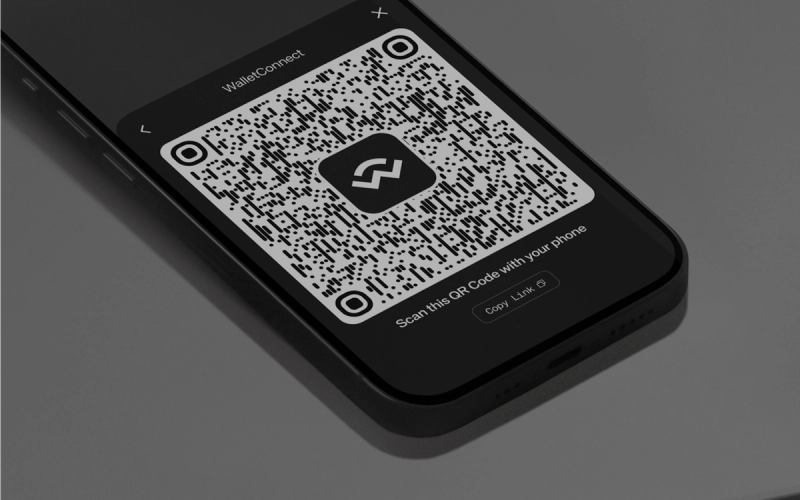
The everyday experience starts when a person chooses a wallet connection option inside an onchain app . A QR code, deep link, or mobile prompt creates an encrypted session between the app and the wallet. The app requests an action, the wallet displays the details, and the user signs or rejects the request from the wallet interface. That flow is why Walletconnect became a familiar bridge between self-custody wallets and DeFi, NFT marketplaces, games, dashboards, and payment tools.
This session model matters because the wallet remains the approval surface. The app receives permission to request supported actions, but the wallet decides what the user sees and signs. Chain IDs, account addresses, methods, and session permissions define the connection, so a wallet can support Ethereum, EVM networks, and other integrated ecosystems without building a separate pairing system for every app.
What the network adds beyond a wallet pop-up
The network turns wallet-app messaging into decentralized infrastructure instead of a single hosted relay. The official ecosystem describes 20+ node operators, hundreds of wallets, tens of thousands of apps, and millions of users moving significant monthly value through the system. Walletconnect is therefore more than a button on a website; it is a routing and coordination layer used by mobile wallets, browser wallets, custodians, hardware wallets, and app front ends.
Developers integrate an SDK so their wallet or application can speak the same connection language as the rest of the ecosystem. For a wallet team, one integration opens access to a very large app surface. For an app team, supporting the protocol means users arrive with familiar wallets rather than creating a new account system for every product.
WCT secures the network through staking and governance
WCT is the native token of the WalletConnect Network. Its stated roles are staking, rewards, fees, and governance, which gives the token a network function rather than a simple branding role. Staking aligns participants with network reliability, rewards compensate useful participation, fees connect demand to network usage, and governance lets token holders take part in decisions about the protocol's direction.
Because WCT connects to infrastructure incentives, users should distinguish staking from ordinary app usage. A person does not need to stake WCT just to approve a swap, sign into a dashboard, or connect a wallet to an NFT app. Staking is a network participation action, while signing is a wallet action.

WalletGuide and certification focus on wallet quality
WalletGuide is the ecosystem's directory for onchain wallets that meet higher standards for user experience, security , features, and quality. That detail is important because wallet connection technology is only useful when the wallet interface explains requests clearly. A vague signing screen turns even a strong protocol into a confusing experience.
Certification gives users and developers a way to understand which wallets are designed around safer, cleaner connection behavior. It also creates pressure on wallet teams to improve account switching, chain handling, transaction previews, session management, and recovery flows. Walletconnect benefits when the wallets on the network make approvals readable and predictable.
Where users encounter it during onchain activity
A user most often sees this connection layer when opening a DeFi exchange, lending market, bridge, portfolio tracker, token claim page, DAO voting tool, or NFT marketplace. The app asks for a wallet, the wallet confirms the session, and future requests appear as prompts. The same pattern also supports payment flows and institutional wallet access where controlled signing is part of an internal process.
The main user actions are straightforward:
- Choose a supported wallet from the app's connection menu.
- Scan the QR code or open the mobile deep link.
- Review the account, network, and requested session permissions.
- Approve the connection inside the wallet.
- Disconnect stale sessions when the app is no longer needed.
Those steps keep the mental model simple: the app asks, the wallet displays, and the user approves from the wallet they already control.
How builders use the SDK in wallets and apps
Builders use the SDK to avoid maintaining separate integrations for each wallet or chain interface. A mobile wallet adds connection support once, then becomes usable across a broad app ecosystem. An onchain app adds wallet connection support and reaches users across self-custody wallets, institutional wallets, and hardware wallet flows that already understand the same session protocol.
The strongest developer benefit is reduced integration overhead. The official materials describe access to 80K+ apps for wallets through one integration, which explains why the protocol is positioned as infrastructure rather than a consumer wallet. Walletconnect supplies the connection rail; the wallet and the app still define the actual transaction, account model, and product experience.
Costs, fees, and what a normal user pays
Connecting a wallet through the protocol is separate from paying blockchain gas. When a user signs a transaction, the gas fee belongs to the underlying chain, such as Ethereum or another supported network. If the action is only a message signature, it does not create an onchain transaction by itself, though the signed message still deserves careful review.
The WCT model introduces network fees at the infrastructure layer, but that does not mean every visible wallet connection becomes a separate charge to the end user. App fees, swap fees, bridge fees, and chain gas come from the product being used. The connection layer handles communication, while the economic terms of the onchain action come from the app and the blockchain.

Security depends on readable requests and clean sessions
Its safest use comes from treating wallet prompts as transaction documents. The user should read the domain, account, chain, asset, approval amount, and signature text before accepting. Token approvals deserve extra attention because they grant spending permission that survives after a website tab closes.
Session cleanup is also part of good wallet hygiene. Disconnecting unused apps reduces background permissions and keeps the wallet's connected-app list readable. Walletconnect provides the messaging path, but the wallet interface is where users see revocation controls, account selection, network switching, and transaction simulation if the wallet supports those features.
Alternatives and adjacent connection standards
Walletconnect exists alongside browser-injected providers, native wallet browser flows, exchange wallet connections, and chain-specific adapters. MetaMask-style injected providers are common on desktop browsers, while mobile wallets rely heavily on deep links and QR pairing. Some ecosystems maintain their own wallet adapters to optimize for local standards and account formats.
The reason this protocol remains widely used is its cross-wallet reach. It gives app developers a practical way to support many wallets without asking users to install one specific extension. It also lets wallet teams compete on custody model, design, security, hardware support, and account features while sharing a common connection path into onchain applications.
What to know about Walletconnect
Do I need WCT to connect my wallet to an app?
No. A normal wallet connection does not require holding WCT. Users connect through a supported wallet, review the session, and approve or reject requests from the wallet interface. WCT is tied to the WalletConnect Network's staking, rewards, fees, and governance design, so it is relevant to network participation rather than basic app connection by an everyday user.
How long does a wallet session stay active?
A session stays active according to the permissions and expiration rules set by the wallet and app implementation. Many wallets show connected apps in a settings area where users can disconnect manually. Removing old sessions is useful after using a token claim page, bridge, or unfamiliar app because it keeps the wallet's permission list easier to audit.
Which wallets support these connection flows?
The ecosystem includes hundreds of wallets across mobile, browser, self-custody, custodial, and hardware-oriented products. Support varies by wallet, chain, and app, so the connection menu inside the app is the quickest way to see available options. WalletGuide also exists as a directory focused on wallets that meet higher standards for user experience, features, security, and quality.
What happens if I reject a signing request?
Rejecting a request stops that specific action. The app does not receive the signed transaction or message, and the wallet keeps control of the account. The broader session may remain connected, so the app can ask again unless the user disconnects it. Rejection is the right response when the domain, chain, approval amount, or message text looks wrong.
Can a QR code connection move funds by itself?
No. The pairing step creates a communication session between the app and the wallet. Funds move only when the user approves an onchain transaction or signs a message that another system accepts for a specific action. The important step is the wallet prompt, where the account, asset, chain, approval, or message content should be reviewed before signing.
Fees on Walletconnect connections come from where?
For ordinary users, visible costs usually come from the blockchain action or the app being used. Gas belongs to the chain, swap charges belong to the exchange route, and bridge costs belong to the bridge process. The WCT network design includes fees at the infrastructure level, but connecting a wallet is not the same thing as paying every app fee directly to the protocol.